Erasmus+


March 2026
Gifted-Learners – Advanced Differentiation Strategies,
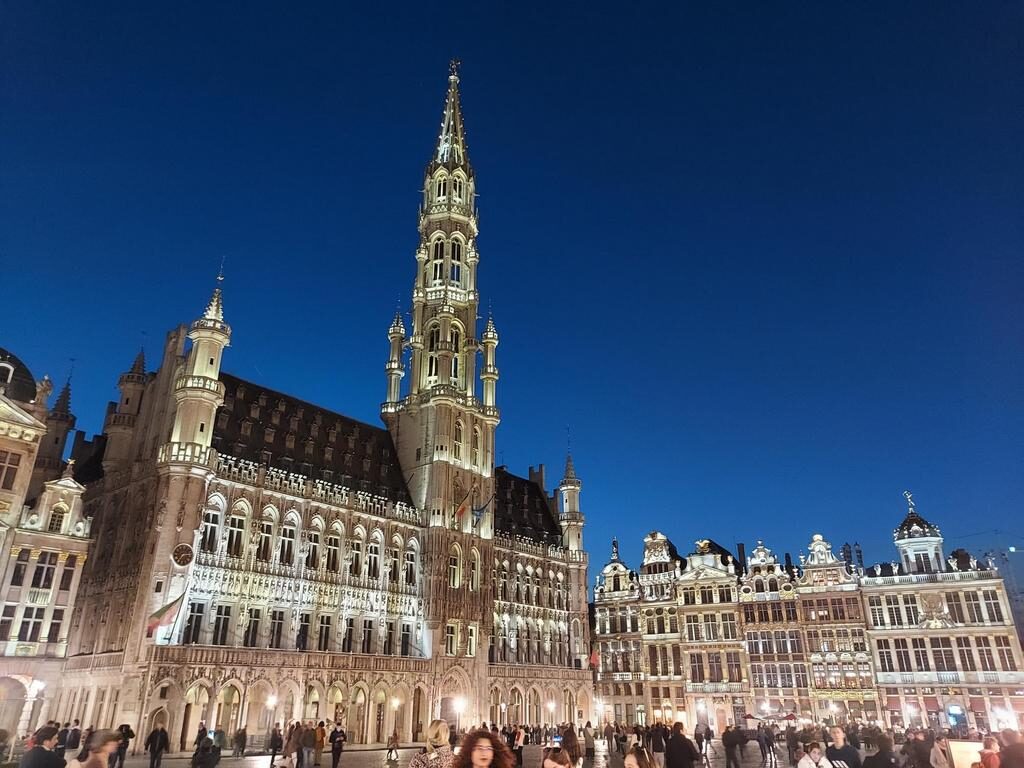
Erasmus+ course Brussels, Belgium 2nd – 7th March 2026.
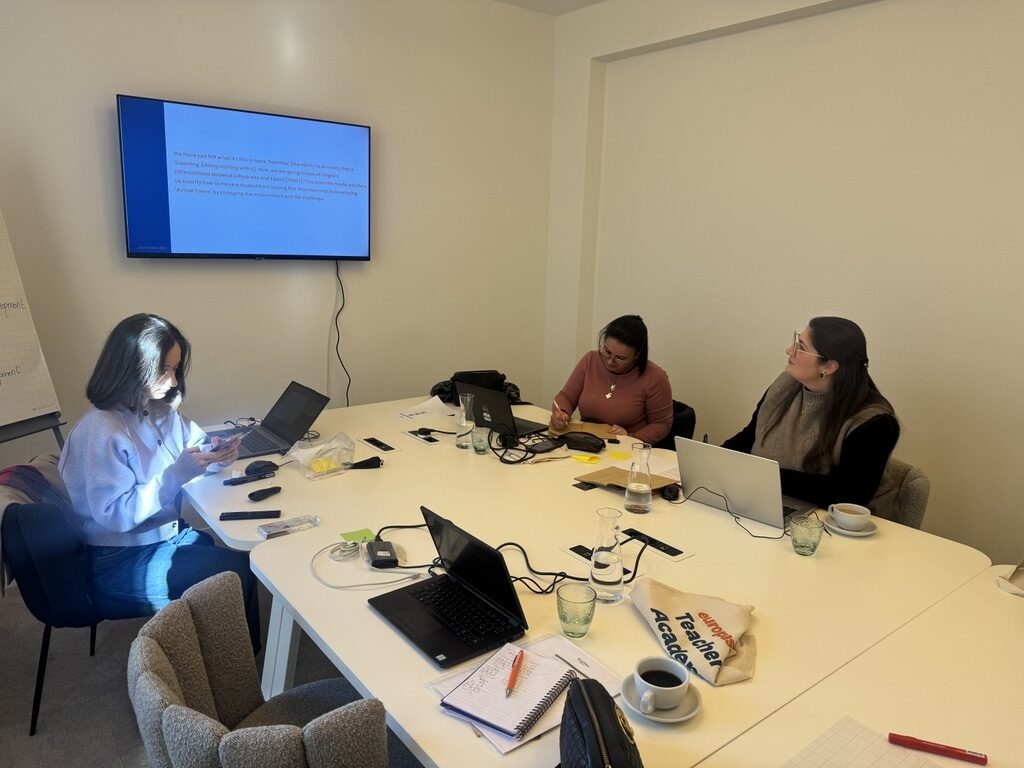
We attended a professional course in Brussels focused on identifying and supporting gifted learners. The training offered a clear understanding of giftedness and creativity, while also providing practical, classroom‑ready strategies to keep advanced students engaged rather than under‑challenged. A central theme of the course was the need for a genuine paradigm shift in how schools view high‑ability learners: moving away from a deficit‑oriented mindset that concentrates on remediating weaknesses and instead embracing an approach that nurtures potential by building on students’ existing strengths. This shift also requires acknowledging that high ability is not simply a matter of high performance; it represents a unique developmental path that unfolds differently from typical learning trajectories and therefore deserves thoughtful, specialized support.
The course framed giftedness within an Inclusive Excellence model, emphasizing that it is an integral part of the broader SEN spectrum. Gifted learners, like any other neurodivergent profile, require specific pedagogical interventions tailored to their cognitive, emotional, and creative needs. Through case studies, hands‑on activities, and lesson planning exercises, we explored how to design learning experiences that incorporate higher‑level content, open‑ended inquiry, and critical thinking tasks. These strategies not only challenge advanced learners appropriately but also help prevent the disengagement, frustration, or underachievement that often arise when their needs go unmet.
Beyond the academic dimension, the experience was also a pleasant cultural immersion, allowing us to appreciate Brussels’ rich atmosphere and connect meaningfully with colleagues from diverse educational contexts. This opportunity made possible through Erasmus+ and the support of our College rector, Fr. David Cortis strengthened both our professional skills and our sense of collaboration. By the end of the course, we felt more confident in recognizing genuine signs of giftedness and in contributing to a school culture that redefines fairness: not as giving every student the same, but as ensuring each learner receives what they need to grow. Ultimately, the training reinforced a vision of schooling where difference is embraced as a strength, not a difficulty for the teacher, and where the potential of gifted students is nurtured with the same commitment and care afforded to all learners.
January 2026
Student Exchange from the Augustinian College – Los Olivos in Malaga, Spain.
The ten Spanish students from Malaga has been in Malta with 2 teachers from Sunday 18 January to Sunday 25 January 2026. They were divided into five groups of two students each. A timetable was prepared for every group, with careful consideration given to varying the subjects as much as possible. The students were given the opportunity to join lessons in a wide range of subjects, including English, Mathematics, Maltese, English Literature, Media, Home Economics, History, Geography, Social Studies, Physical Education, Sports & Fitness, KTI, Physics, Chemistry, Biology, Computing, ICT, FES, Italian, German, and French. These lessons were mainly attended with Year 9 and Year 10 groups; however, on some occasions, the students also joined Year 11 classes.
On Monday 19th, Ms Edel Deputy Head welcomed the students, gave them a tour of the school, and explained their individual timetables. They then attended three lessons and joined the boys for break time. After break, a Maltese culture session was held during which the students tasted a variety of traditional Maltese foods, including pastizzi, pizza with Maltese sausage, ftira, Twistees, and Maltese crackers with dips. This activity was very well received, with minimal leftovers, indicating that the Spanish students and their teachers thoroughly enjoyed the experience. At night, the students and the teachers were welcomed at the Augustinian Community, for eating together. They were very appreciative of this initiative.
On Tuesday 20th, although a full day of lessons had been planned, Storm Harry disrupted our College arrangements. Despite this, the students still had an enjoyable day with those students who were able to attend school. This was also when they bonded particularly well with the Year 11 students, with some of our students naturally taking on a leadership role. Activities included various games organised by Mr Paul, board games, and watching a film.
On Wednesday 21st, the students followed the timetables provided without any issues. Unfortunately, the planned fieldwork visit to Buskett on Thursday 22nd had to be cancelled due to inclement weather. Instead, the students attended lessons up to the sixth period. As the weather improved later in the day, the Spanish teachers and students left before so to sudents sightseeing.
On Friday, the students attended their scheduled lessons. At break time, at the request of the Year 11 students, they joined the boys in the gym to play handball. This was followed by an evaluation meeting. During this meeting, it was concluded that overall, the students had enjoyed their experience and felt very welcome within the school community. They expressed surprise at the relatively small class sizes, noting that in Spain classes can have up to thirty students, and commented positively on how hands-on many of the lessons were.
The Spanish teachers, Ms Marivi and Ms Alice, were extremely cooperative throughout the visit and ensured that their students adhered to the College rules at all times.
July 2025
Erasmus+ Experience in La Laguna, Tenerife, Spain
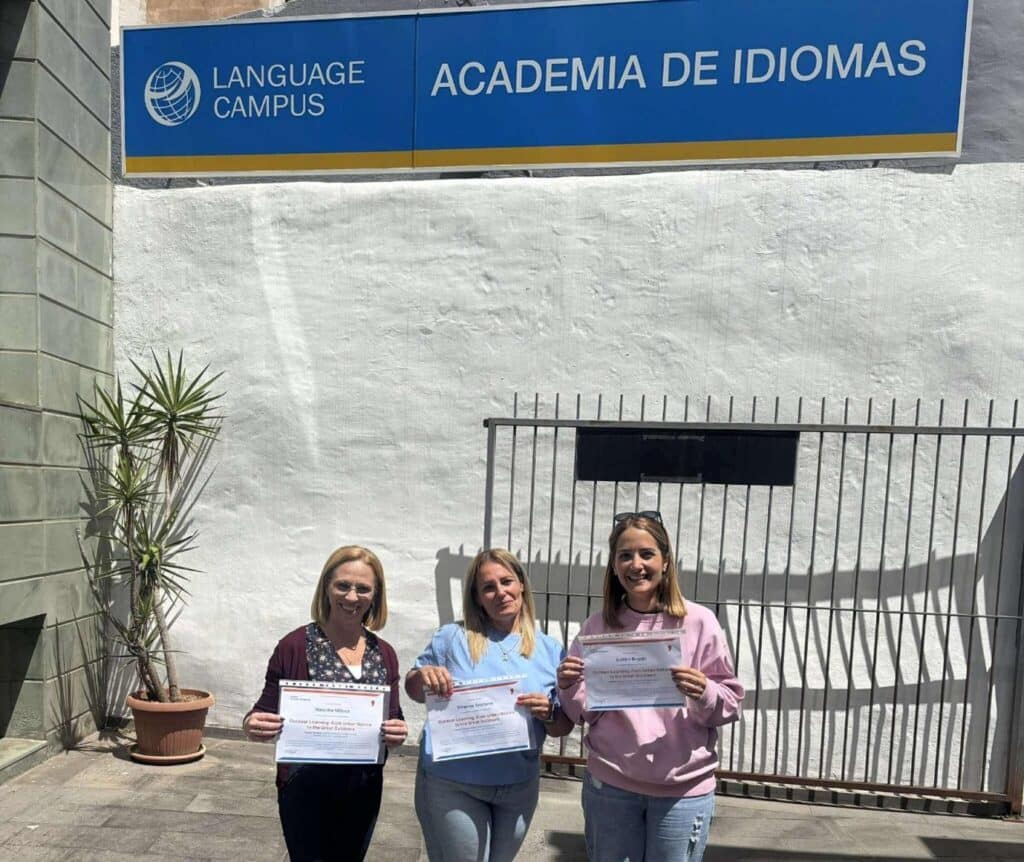
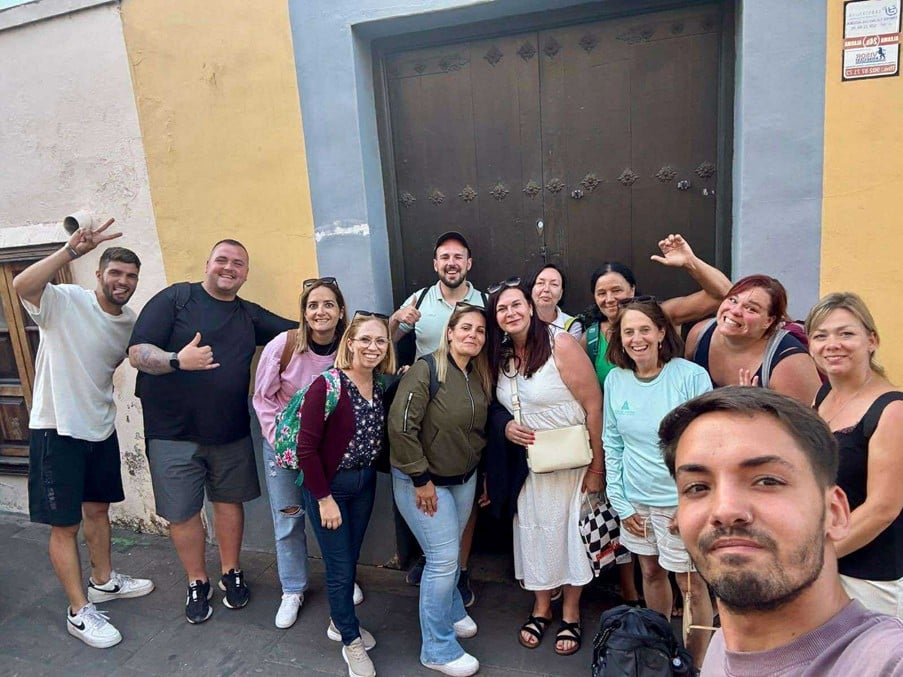
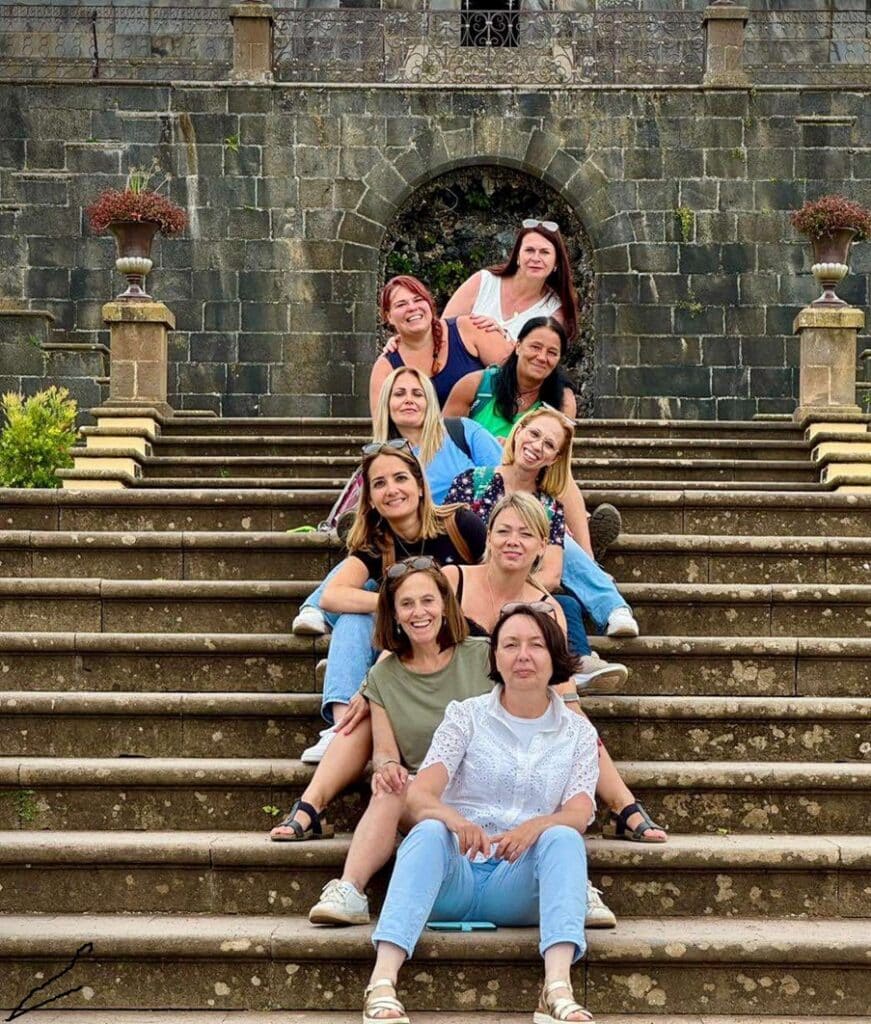
𝐅𝐫𝐨𝐦 𝐭𝐡𝐞 𝟐𝟏𝐬𝐭 𝐭𝐨 𝐭𝐡𝐞 𝟐𝟔𝐭𝐡 𝐨𝐟 𝐉𝐮𝐥𝐲, 𝐭𝐡𝐫𝐞𝐞 𝐞𝐝𝐮𝐜𝐚𝐭𝐨𝐫𝐬 𝐟𝐫𝐨𝐦 𝐨𝐮𝐫 𝐏𝐫𝐢𝐦𝐚𝐫𝐲, 𝐌𝐬 𝐉𝐮𝐬𝐭𝐢𝐧𝐞 𝐁𝐮𝐠𝐞𝐣𝐚, 𝐌𝐬 𝐍𝐚𝐭𝐚𝐬𝐡𝐚 𝐌𝐢𝐟𝐬𝐮𝐝, 𝐚𝐧𝐝 𝐌𝐬 𝐑𝐢𝐭𝐢𝐞𝐧𝐧𝐞 𝐒𝐜𝐢𝐜𝐥𝐮𝐧𝐚, 𝐭𝐨𝐨𝐤 𝐩𝐚𝐫𝐭 𝐢𝐧 𝐚𝐧 𝐞𝐧𝐫𝐢𝐜𝐡𝐢𝐧𝐠 𝐄𝐫𝐚𝐬𝐦𝐮𝐬+ 𝐩𝐫𝐨𝐠𝐫𝐚𝐦𝐦𝐞 𝐡𝐞𝐥𝐝 𝐢𝐧 𝐋𝐚 𝐋𝐚𝐠𝐮𝐧𝐚, 𝐓𝐞𝐧𝐞𝐫𝐢𝐟𝐞, 𝐒𝐩𝐚𝐢𝐧.
This international experience brought together educators from Poland, Italy, France, Portugal, the Czech Republic, and even the United States, all united by a shared interest in innovative teaching approaches.
The focus of the programme was outdoor learning, exploring how natural and urban environments can become dynamic classrooms. Through hands-on activities and expert-led sessions, participants engaged in field visits to a botanical garden, volcanic regions, various local urban areas, and the lush forests of Tenerife. These settings provided a real-world context to discuss how outdoor education supports academic learning while also promoting student wellbeing, mindfulness, and engagement.
Our educators returned with fresh insights into how outdoor spaces can inspire creativity, encourage collaboration, and foster a deeper connection to the world around us. The experience also highlighted the importance of student mental health and the powerful impact that nature-based learning can have on developing focus and emotional resilience.
Beyond the educational content, this Erasmus+ trip offered a valuable opportunity to exchange ideas and best practices with fellow teachers from across Europe and beyond. It was a time for learning, reflection, and inspiration, all within a vibrant international community.
The knowledge and experiences gained will undoubtedly influence future projects within our school, helping us to enrich our teaching strategies and promote more active, nature-connected learning among our students.
A heartfelt thank you to the organisers of the Erasmus+ programme, and to all the passionate educators who made the experience so memorable. We look forward to building on this momentum and sharing what we’ve learned with our College community.
Thanks goes to - EUPA Malta - Erasmus+ & European Solidarity Corps
September 2025
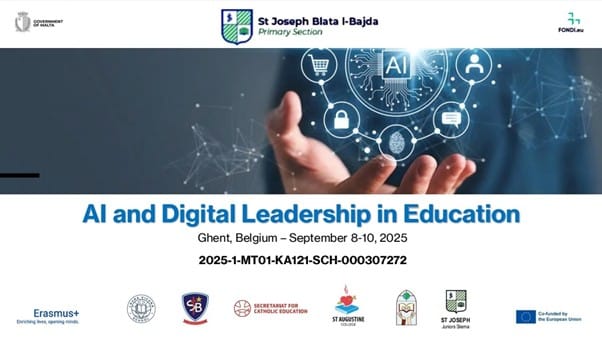
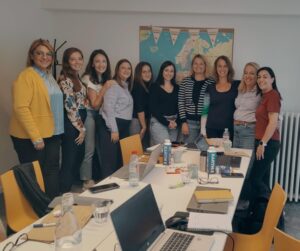
As part of the 2nd Round of the ERASMUS+ Accreditation Project 2025-1-MT01-KA121-SCH-000307272 coordinated by St Joseph Junior School, Blata l-Bajda, 10 Senior Leadership Team Members from St St. Augustine College, St Joseph Junior School Sliema, Our Lady Immaculate School, St Benilds School and the Secretariat for Catholic Education are currently attending a 3-day Training Course in Ghent. The training is focusing on Ai and Digital Leadership in Education. The SLT members shall be working together on a draft policy to address the use of AI in schools, particularly as a tool to ensure better inclusion and engagement of all students in their educational journey. From St Augsutine College, Ms Abigail Spiteri participated in this Erasmus+ activity
September 2025
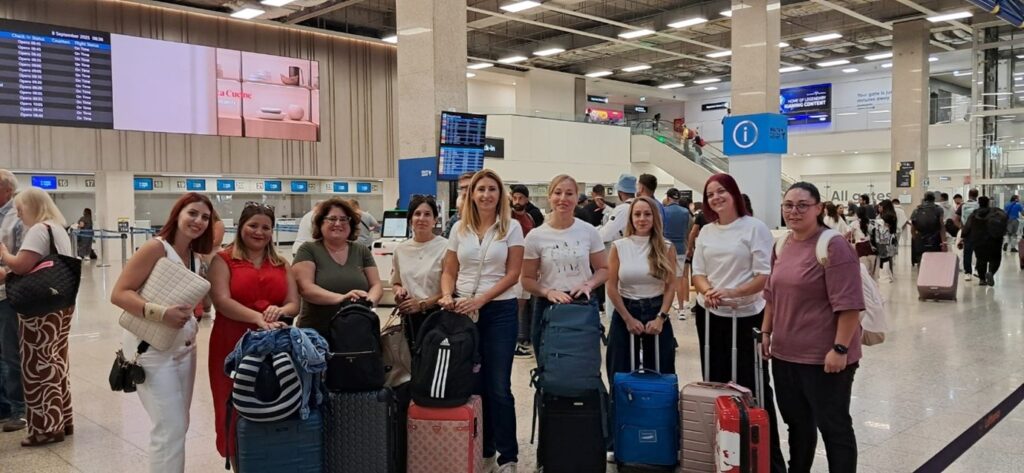
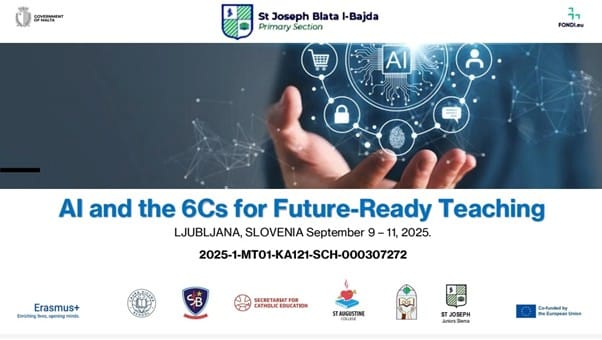
A group of 9 educators from a consortium of partner schools are currently in Ljubljana, undergoing training in Ai and the 6Cs for Future-Ready Teaching as part of the Erasmus+ Accreditation Project 2025-1-MT01-KA121-SCH-000307272, coordinated by St Joseph Junior School, Blata l-Bajda . The course is targeting the project's objectives focusing on inclusion and engagement of students in their learning journey. From St Augustine College Ms Hannah Buttigieg, and Ms Cheyanne Brincat participated.
September 2025
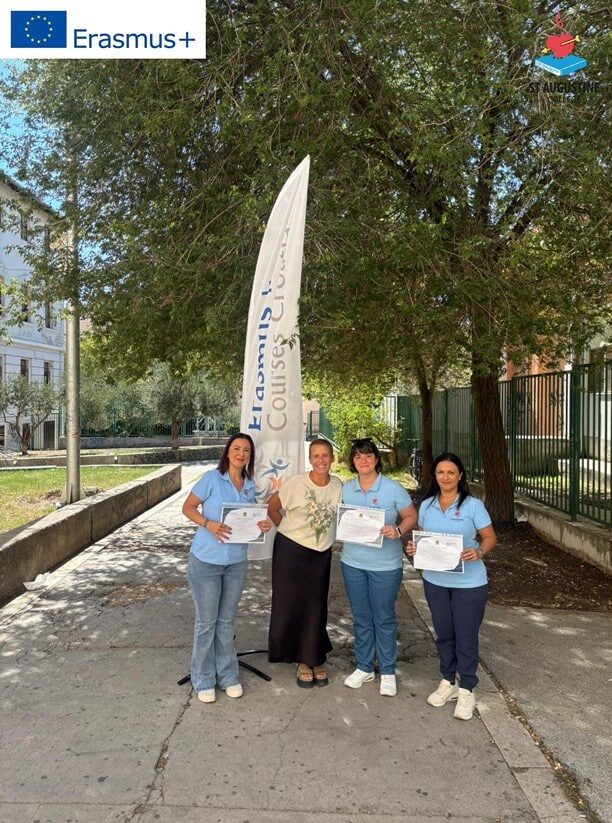
in September 2025, as part of St Augustine College 𝐄𝐫𝐚𝐬𝐦𝐮𝐬+ 𝐀𝐜𝐜𝐫𝐞𝐝𝐢𝐭𝐚𝐭𝐢𝐨𝐧, 𝐩𝐫𝐨𝐣𝐞𝐜𝐭 𝟐𝟎𝟐𝟓-𝟏-𝐌𝐓𝟎𝟏-𝐊𝐀𝟏𝟐𝟏-𝐒𝐂𝐇-𝟎𝟎𝟎𝟑𝟎𝟗𝟏𝟓𝟑, three LSEs from our Primary attended a course in Split Croatia in line with our Erasmus+ objectives. These are some insights from the participants.
EUPA Malta - Erasmus+ & European Solidarity Corps
Taking part in my first Erasmus+ training programme in Croatia was truly a memorable and eye-opening experience. The course focused on “Successful Teaching in a Mixed Ability Classroom – Meeting the Needs of Gifted Children” and from the very beginning, I felt excited and curious to learn.
Being in a room with teachers from across Europe was inspiring. We shared our views on education, discussed the challenges we face in our classrooms and explored ways to better support gifted students. I realised how similar many of our experiences are, despite coming from different countries. It was encouraging to see how much we can learn from each other.
Apart from the educational side, one of the most enjoyable parts was the time we spent together outside the classroom. We went on beautiful excursions around Croatia and that gave us the chance to connect on a more personal level. The natural beauty, the history and the relaxed atmosphere really added to the experience.
I also appreciated the opportunity to bond with the colleagues who came with me. Being away from our usual routines allowed us to talk more openly, share ideas and just enjoy each other's company.
This Erasmus trip helped me grow both professionally and personally. I came back with new ideas, new friendships and a broader perspective, not just on teaching, but on the value of cultural exchange and connection. I’m truly grateful for the experience.
𝐑𝐢𝐚𝐧𝐧𝐞 𝐄𝐥𝐥𝐮𝐥
During this week, we were introduced to the Croatian educational system, gaining valuable insight into its structure and practices. This gave us the opportunity to compare it with other European educational systems, allowing us to reflect on similarities, differences, and approaches that could be applied in our own contexts. Such comparisons highlighted the diversity of educational methods across Europe and encouraged us to think critically about how these can be adapted to better meet the needs of our students.
An important part of the course focused on strategies to help students improve their concentration during lessons. We explored simple yet effective mind and body exercises that can be integrated into classroom routines. These activities not only support focus but also promote a positive learning environment by reducing stress and increasing engagement.
However, the most significant aspect of this training was learning how to identify students with gifted abilities. We discussed the characteristics of gifted learners and how to provide them with meaningful opportunities to express their talents. In addition, we reflected on how motivating gifted students to showcase their abilities can serve as a source of inspiration for their peers, fostering collaboration, creativity, and mutual respect within the classroom.
𝐉𝐨𝐚𝐧𝐧𝐚 𝐒𝐚𝐥𝐢𝐛𝐚 𝐁𝐨𝐰𝐦𝐚𝐧
Participating in the Erasmus programme has been an invaluable experience. It was my first opportunity to travel abroad to attend a course in a foreign educational institution. The time spent in Croatia proved to be highly rewarding, as it enabled me to develop personally, emotionally, and socially, while also expanding my knowledge of different educational systems across Europe. Although the primary focus was on Croatia, I also gained insights into the systems of Portugal, Netherlands, Lithuania, Estonia, and Italy.
We also had the opportunity to engage in discussions with foreign colleagues regarding possible improvements within our profession. These conversations focused on identifying ways to make the role of the educator more positive and fulfilling. Furthermore, we reflected on how enhancing the professional environment could make the teaching profession more appealing to younger generations.
This experience was further enriched by the fact that I was accompanied by two colleagues, Joanna and Rianne. Throughout the days, which included extensive travel from and to Malta, as well as navigating Split, Croatia, without prior knowledge of the environment, we worked collaboratively to overcome challenges. During lectures, we supported one another both cognitively and professionally. This strengthened not only our teamwork skills but also our interpersonal relationships, fostering greater mutual respect and transforming our professional connection into a stronger sense of friendship.
Additionally, as this was my first visit to Split, Croatia, I had the opportunity to broaden my cultural understanding, which further enhanced the overall value of the experience.
𝐋𝐨𝐮𝐚𝐧𝐧𝐚 𝐌𝐚𝐫𝐦𝐚𝐫𝐚
July 2024
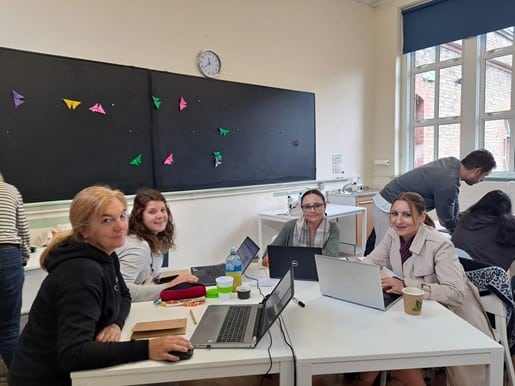
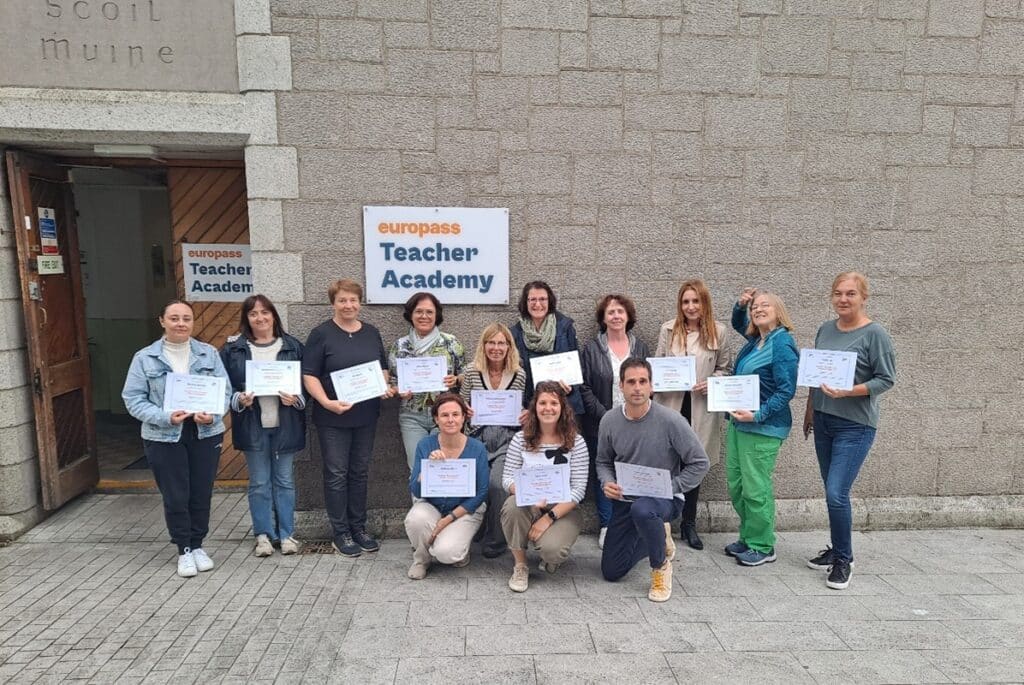
Empowering Educators: Inclusive Teaching with AI – Dublin 2024
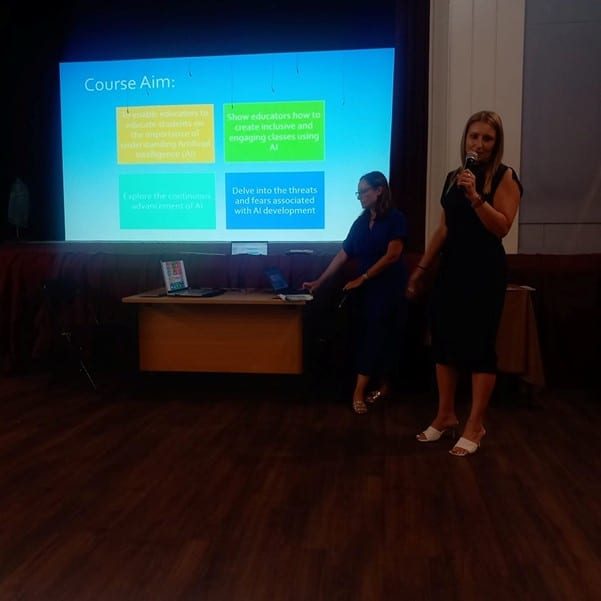
In July 2024, educators from across Europe gathered in Dublin, Ireland, for a transformative Erasmus+ training course titled “Inclusive Teaching with Artificial Intelligence”, hosted by Europass Teacher Academy. The course aimed to equip teachers with the knowledge and tools to integrate AI technologies into their classrooms in ways that promote inclusion, engagement, and innovation.
Among the participants were Dorianne Sghendo and Antonella Fenech, two Learning Support Educators (LSEs) who delivered a compelling presentation summarizing their learning journey and practical applications of AI in inclusive education.
Course Highlights
The training focused on:
- Understanding the evolution and impact of AI in education.
- Exploring AI tools that support inclusive teaching practices.
- Addressing ethical concerns and fears surrounding AI development.
- Developing effective prompting techniques to maximize AI’s potential in the classroom.
Participants were introduced to a variety of AI platforms and tools, including:
- ChatGPT and Copilot for generating content and engaging in dialogue.
- Poe, a customizable chatbot platform tailored to students’ academic levels and needs.
- Suno, for creating educational songs and poems.
- Miro and MyLens.ai, for collaborative brainstorming, mind mapping, and timeline creation.
- Gamma, for generating visually rich presentations.
- Brainy Documents, which converts PDFs into explainer videos.
- Twee, an AI-powered assistant for lesson planning, quiz creation, and content adaptation.
Presentation by Dorianne Sghendo & Antonella Fenech
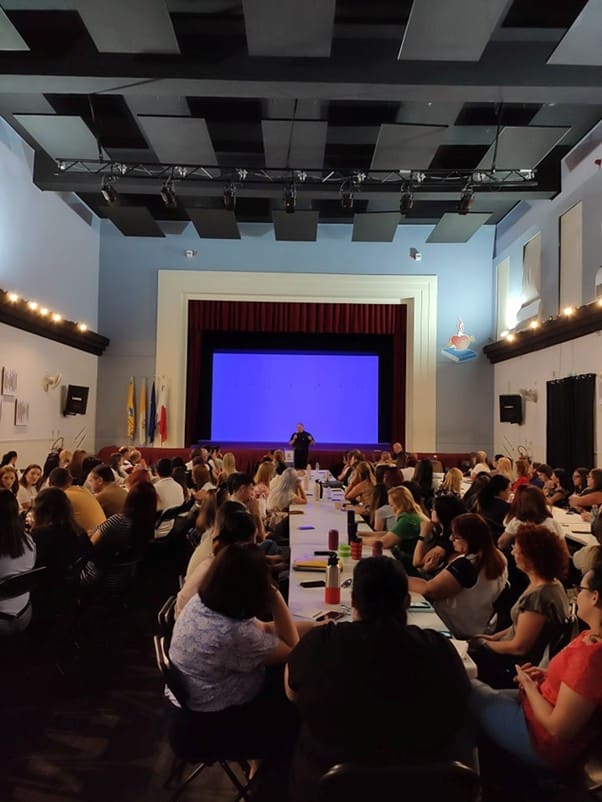
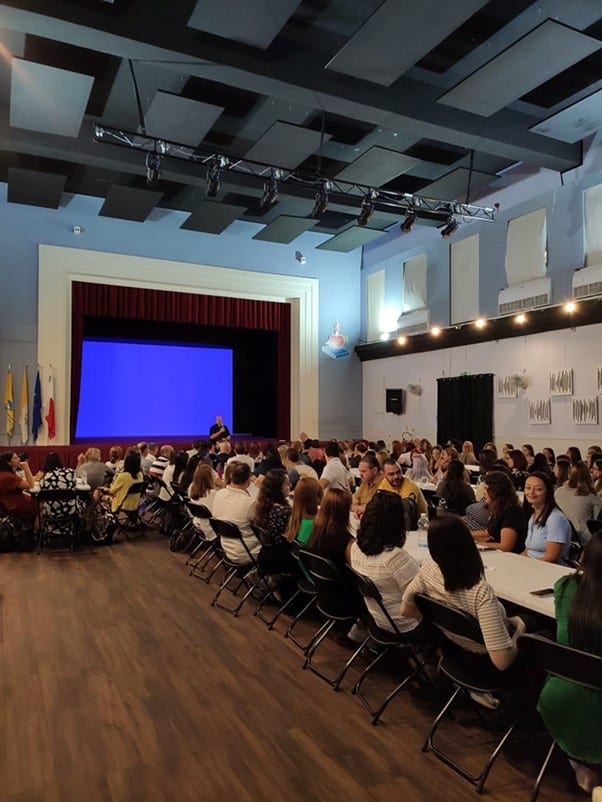
In their presentation to all staff at the beginning of the year in September 2024, they have emphasized the practical integration of AI in inclusive classrooms. Key takeaways included:
- Creating Inclusive Chatbots: Using Poe to design bots that guide students through tasks without giving direct answers, fostering independence and critical thinking.
- Prompt Engineering: Demonstrating how to craft effective prompts by being clear, specific, and context-aware—skills essential for both teachers and students.
- Creative Engagement: Showcasing tools like Suno and Gamma to make lessons more engaging for diverse learners, including those with different learning styles or language needs.
- Lesson Design with AI: Highlighting how tools like Twee can support differentiated instruction by generating tailored content, questions, and assessments.
Their session concluded with a reflection on the importance of teacher adaptability in the age of AI and the need to balance innovation with ethical responsibility.
Then in their respective campus, during meetings with others teachers and LSEs, in dedicated time, they have disseminated and shared more practical matters to LSEs and teachers
Conclusion
The Inclusive Teaching with AI course in Dublin was a powerful reminder that technology, when used thoughtfully, can be a great equalizer in education. By embracing AI, educators like Dorianne and Antonella are not only enhancing their teaching practices but also ensuring that every learner has a voice and a path to success.
July 2024
The Connemara Maths Academy (CMA) Erasmus+ experience at Carlingford Lough in Ireland in July 2024 offered a transformative educational experience that blended STEAM—Science, Technology, Engineering, Arts, and Mathematics—with outdoor adventure and creative exploration. CMA is renowned for its innovative, hands-on learning ethos that emphasizes discovery, creativity, and adventure. Students participated in a wide range of engaging workshops, including rocket science, 3D modeling and printing, coding, robotics, and green screen film production. These were complemented by creative technologies such as podcasting, stop-motion animation, and music production. The natural setting of Carlingford Lough provided the perfect backdrop for applying scientific and mathematical concepts in real-world contexts, such as physics in sports and environmental science. The program also included high-energy adventure activities like kayaking, high ropes, and team challenges, fostering resilience and collaboration. CMA’s learning objectives centered on developing critical thinking, problem-solving, leadership, and teamwork skills, while nurturing each student’s confidence and curiosity. With participants from across Ireland and around the world, it was a vibrant, multicultural environment where students not only learned but thrived together
These are some comments of the students in this Erasmus+ experience
Luca:
I really enjoyed learning in nature. The adventure was challenging, but it helped me grow. I learned to observe mathematics in everyday situations. One skill I developed was leadership, especially when I led a group during the Dragons' Den game.
Carl Zammit Bondin:
I was truly impressed by the greenery and natural surroundings—we don’t see this kind of beauty in Malta. I especially enjoyed the film-making experience.
Alexander Spiteri Fiteni:
Skyparks was my favorite part because it combined adventure with brain teasers. I learned how to live more independently and collaborate with others. A skill I’ll always value is leadership and the confidence to stand up for myself.
Issac Caruana:
This was a completely new experience for me, and I really enjoyed it. I gained a deeper appreciation for how science applies to everyday life. One important skill I learned was how to stay safe on a mountain.
Luca Sacco:
I really enjoyed film-making. It made me realize how much coordination and preparation are needed to produce even a few minutes of video. I also developed the ability to connect with people I didn’t know before.
Gabriel:
The science we learned was fascinating. I never imagined that you could make a rocket using just a plastic bottle and some water! A skill I’ll cherish is working efficiently as part of a team.
Denzil:
I really appreciated seeing how science is used in everyday life. I also learned how crucial teamwork is to successfully completing a task.
Riley:
I was amazed by how physics applies to sports, especially in basketball. The math behind it really stood out. Nature also made a big impression on me from the very first day. I had the opportunity to be a leader, and that’s a skill I’ve refined and will definitely use in the future.
Jake:
The most impressive part for me was the natural environment. Living with a group of people I hadn’t spent much time with before helped me grow. In just a few days, we became real friends.
The Connemara Maths Academy (CMA) offers a unique and enriching Erasmus+ group mobility experience that blends STEAM education with cultural exchange and outdoor adventure. Based in Ireland, CMA is renowned for its immersive learning philosophy—"Discovery, Creativity & Adventure"—which is at the heart of its residential programs. Through Erasmus+ group mobility, students from across Europe, including Malta, participate in a dynamic curriculum that integrates Science, Technology, Engineering, Arts, and Mathematics (STEAM) with real-world applications and collaborative learning.
Participants engage in a wide variety of workshops such as 3D modeling and printing, rocket building, robotics, coding, music technology, and green screen film production. These are complemented by adventure activities like kayaking, high ropes, orienteering, and team challenges, all designed to build confidence, leadership, and teamwork. The program also emphasizes intercultural learning, as students from diverse backgrounds come together to share experiences, solve problems, and build lasting friendships.
CMA’s Erasmus+ mobility projects aim to:
- Promote critical thinking and problem-solving through hands-on STEAM activities.
- Enhance communication and collaboration across cultures.
- Foster independence, resilience, and leadership in a supportive environment.
- Encourage environmental awareness and appreciation of nature through outdoor learning.
June 2023 - August 2024
Over two summers, in 2021 and 2022, St Augustine College, through Fr David’s leadership, took the necessary accreditation steps and procedures to become “Erasmus+ Accredited”. Erasmus+ is the EU Programme in the fields of education, training, youth, and sport for the period 2021- 2027 to support European citizens, including students and employees in their personal and professional development to be better equipped with the knowledge, skills, and competences that are much needed in today’s dynamically changing society, which is increasingly mobile, multicultural, and digital. St Augustine College believes in the importance of Erasmus+ courses because when these are attended by educators, the benefits are multiplied since educators not only improve their own professional growth but also improve the students’ development when they use newly acquired insights, ideas, concepts, skills, as well as the latest learning and teaching strategies, with their own students. Therefore, such EU funded courses make a meaningful contribution by stimulating innovation and bridging Europe’s knowledge, skills, and competences gap.
After obtaining its Erasmus+ accreditation in January 2023, staff members were offered the opportunity to attend an Erasmus+ course abroad between June 2023 and August 2024. These courses offered professional development in the College’s current Development Targets, namely in S.T.E.A.M. (Science Technology Engineering Art and Maths), Information Technology, Artificial intelligence, gamification, Emotions, 21st century skills and in sustainable development in the local, national, and international perspective. Such Erasmus+ courses continue enhancing the College’s vision for internationalisation and the professional development of its staff, especially in Digital Transformation within the College Ethos. The COVID-19 pandemic shed light on the importance of digital education for the digital transformation that Europe needs. It emphasised the increased need to harness the potential of digital technologies for teaching and learning, and to develop digital skills for all. St Augustine College is continuously encouraging its educators to exploit the opportunities offered by digital technologies for improvement in teaching and learning strategies, and for more interactivity with students/learners as the main protagonists of the lessons.
Between June 2023 and August 2024, through 2023-1-MT01-KA121-SCH-000114303, 20 members of staff attended a course, namely: A teacher Ms Roslianne and two learning support educators Ms Maria and Ms Marita attended an Erasmus+ course in July 2023 in Valencia (Spain) about being “The Digital Teacher”. They were made aware of various ICT based quizzes (“Blooket”), interactive videos (“TEDEd), online whiteboards (“Canva”), interactive books (“Book Creator”), learning through games (“Word Wall”) and interactive presentations (“Genially”).
Another teacher Ms Fiona Attard attended a course in August 2023 in Barcelona (Spain) about the “Best Digital Tools for Language Teachers”. These tools included Online Quizzes, Digital Books, Treasure Hunts, Musical Games, and Videos.
Another two teachers Ms Olivia, Ms Denise and a learning support educator Ms Yvette attended a course in Dublin (Ireland) in August 2023 about “Digital Tools”. They had ample opportunity to learn how to use digital software aimed for Language Teachers to help them organise classroom/web resources, visualise essay styles and structures, and find various quizzes, worksheets, games, and videos. Other applications help students create animated videos with their own characters, scenes, and dialogues.
A member of staff Ms Caroline attended a Course in August in Bologna (Italy) on “Soft Skills and Emotional Intelligence for Teachers and Education Staff”. Together with the other participants she discussed soft skills, emotional Intelligence and self-awareness, empathy, self-control, self-motivation, and SMART goals, as well as leadership, conflict management, assertiveness, and active listening.
5 members of the SLT of the Secondary Campus Mr Stephen, Mr Glenn, Ms Marlene, Mr Michael, Ms Caroline attended a course in Limassol (Cyprus) in August 2023 about “Creating Leadership and Innovation in Classrooms”. Innovative education, emotional intelligence, praise, risk-taking, communication, creativity, problem solving, mindfulness, conflict resolution, experiential learning, and design thinking were all discussed at length with the participants coming from various European countries and from across a wide spectrum of educational establishments.
A teacher, Mr James, attended in early November 2023 for a course in The Hague (Netherlands) where there was a discussion among teachers coming from different countries about how/if the theme of justice and injustice is tackled in their teaching, together with the challenges faced. There was also a debate activity which can be used in the classroom, to discuss whether the Nuremberg Trial were an example of Real Justice or Victors’ Justice. The participants understood the work of the ICTY and how its online resources can be used in the classroom. ICTY is the International Criminal Tribunal for the former Yugoslavia.
A teacher, Ms Victoria, attended an Erasmus+ course end of March 2024 in Nice (France). The week in Nice heightened the participant awareness of sustainability, revealing a global issue of disconnection from nature. Meeting people from Ireland, Spain, Britain, and Slovakia showed the participant it’s not just a Maltese concern. Despite our complaints, technology often dominates, pulling us away from nature. Throughout the week, the participants delved into sustainability in education, emphasizing the importance of utilizing local products. Embracing local foods and culture, not only supports the ecosystem but also fosters a sense of identity. Exploring Nice’s flower market, the participants sampled a variety of delights such as Socca, lavender-infused sweets, pecorino cheese, olives, dried tomatoes, artichokes, and fragrances crafted from flowers.
The participants visited a central park in Nice which is being refurbished into an oxygen hub. Their aim is to create, over a good kilometer, 70 additional hectares of permeable and vegetated surfaces, to plant 280,000 trees and to reduce greenhouse gas emissions by 200,000 tonnes of CO2/year. What impressed the participant is that they took a decision to remove an old theatre to make space for a more sustainable centre using less electricity and water. All this is built on a river and still use its flowing water. The participants toured a recycling plant. In Nice, the local council assumes responsibility for collecting discarded items and manages various stages of the recycling process. This includes collection, sorting, distribution to appropriate facilities (such as sending tobacco to another plant), and ultimately selling and repurposing materials. The participants delved into the significance of the 4 Rs: Reduce, Reuse, Recycle, and Recover. Additionally, they explored a new urban development where the government prioritized sustainability. Every building is equipped with solar panels on their roofs, and thoughtful design ensures that each apartment has shading to enhance comfort. Furthermore, the project aimed to address unemployment by offering six-month employment opportunities to those seeking work, assisting them in rediscovering their potential and securing new employment.
The participants also had a day where they were split into groups to strategise activities to make use of local parks. They brainstormed ideas such as incorporating reading sessions and educational lessons into park settings, as well as activities like meditation and mindfulness exercises. Additionally, they reviewed numerous videos showcasing innovative park initiatives from around the world. The Augustinian participant found the concept of cycling to schools particularly intriguing and was delighted to discover that the University of Malta had embraced this idea, as reported by the Times of Malta the week following the return from the experience. In the planning, they devised a program aimed at engaging children’s senses, encouraging them to listen to the sounds of nature, touch different landmarks, observe their surroundings, and reconnect with the natural world through simple additions like hammocks hung from trees or small book libraries in the garden. The experience really helped the participant build more awareness on sustainable teaching and continued brewing in the participant the need to reconnect with nature. A source which empowers people to gain insight and growth. It renovated again the participant habits to be a lesser impact on the environment.
2 LSEs, Ms Alison and Ms Lisa, at end of March 2024 attended another Erasmus+ course in Florence (Italy) on Climate change and Global citizenship. During the workshops, the participants engaged in various activities that made them reflect and understand on a deeper level, issues related to climate change, sustainable development, and global citizenship. Most of the sessions were hands on, exploring different strategies that could be used in class with learners of different age groups and levels. The aim was to challenge thinking and engage learners in reflective tasks as well as how all of us can reduce the impact on the environment. The participants were also introduced to various toolkits and resources that can be applied with students, in creating more awareness and challenge thinking. During such activities, the participants evaluated many aspects related to sustainable living and our role as citizens as well as our impact on the environment and the manifestations both locally and around the globe. Finally, they visited an urban garden – where an abandoned space in the city was transformed into a public garden and bio farming project.
Another two teachers Ms Daniela, Ms Shalane, and one LSE, Mr Robert, end of April 2024 attended a course in Dublin (Ireland) on Teaching for a Sustainable World: Climate Change and Global Citizenship. With the escalation of climate crisis, educators bear a great part of the responsibility to empower the next generations with relevant knowledge, critical thinking, and active empathy. Through active learner-centred activities, participants were guided through a comprehensive worldwide perspective on sustainable development, global injustice, ecological footprints, and the interconnected relationship we all share when it comes to tackling climate change. Different areas were explored and discussed throughout the sessions. The concept “Think global, act local” is a motto which was explored, comparing situations in the different participating countries, namely Malta, Italy, Romania, Slovakia, France, Finland, The Netherlands and Slovenia. It emphasizes the interconnectedness of the world and the importance of considering the broader impact of our actions on a global scale, while also highlighting the significance of taking practical steps at the local level to effect positive change.
A student-centred approach was applied throughout the activities carried out. For instance, participants were encouraged to focus on a chosen global issue and highlight the positive and negative aspects encircling it in the respective countries. Another interactive activity referring to ‘The 17 goals: Acting towards the 2030 agenda for Sustainable Development’ was successfully put into effect. The first student is asked to choose one of the goals and think why it is important that by 2030 we would have reached this goal towards sustainability. This student grabs a piece of string from a ball of yarn provided and asks the others what other goals can be linked to it. A chain/web is slowly formed with the string. Finally, by cutting just one of the goals out it would be noticed that all the other goals would also fail to be implemented. To conclude this learning experience a Zine was published by all the participants. A zine is a self-published, handmade magazine that emphasizes creativity and personal expression. By utilizing such activity to focus on sustainability we would be helping students understand the importance of preserving the environment. It also encourages critical thinking about ecological issues and foster a sense of responsibility and empowerment. The Augustinian participants returned with fruitful ideas which are were then shared with the rest of the college community. Working hand in hand with motivation, creativity and determination, young boys can be given the adequate basis to be shaped into future environmentalists or individuals who are concerned with protecting and preserving our natural environment.
The success of this professional development through Erasmus+ courses, and its dissemination by St Augustine College staff, augurs very well for the attendance of similar course by other staff in the years to come on other themes as per the Erasmus+ targets. Gratitude goes to the College Rector for coordinating this professional development abroad.